

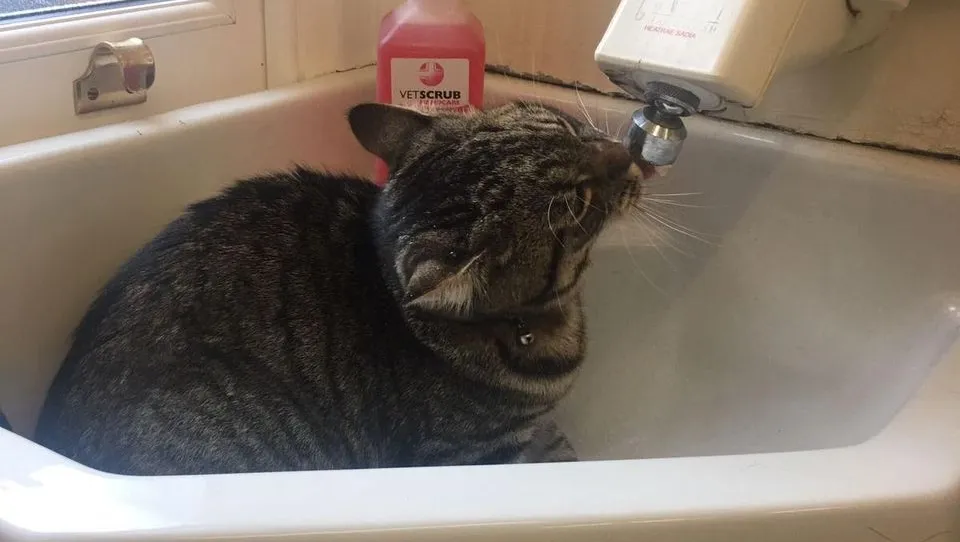
Diabetes Mellitus in Cats
Diabetes mellitus is a condition that affects the amount of glucose, or sugar, in your cat’s blood. Diabetes occurs when your cat’s body makes too little insulin, stops producing it completely, or has an abnormal response to insulin.
When your cat eats, carbohydrates are converted into several types of simple sugars, including glucose. Glucose is absorbed from the intestines into the blood, where it travels to cells throughout the body. Insulin is required for the transfer of glucose from the blood into the cells so it can be used for energy. If there’s too little insulin available, glucose can’t enter cells, and instead builds up to a high concentration in the bloodstream. This is known as hyperglycaemia.
As a result, there is not enough energy for the cells to function normally and they become “starved”. Over time, weight loss ensues despite a ravenous appetite. The build-up of glucose in the blood spills over into the urine and draws large volumes of water, resulting in increased thirst and urination.
How Common is Pet Diabetes?
Feline diabetes is more common in middle-age and older cats, but it is also seen in young cats as well. While believed to be underdiagnosed, diabetes mellitus affects an estimated 1 in 200 cats. It is more common in neutered, male cats.
Related Conditions
Cats with diabetes can develop complications subsequent to becoming diabetic.
Careful control of blood glucose concentrations may help minimise these complications.
Common complications:
Recurrent infections and ketoacidosis (which causes decreased appetite, vomiting and even death, if not treated) are the most common complications of diabetes.
Additional complications include inflamed pancreas, poor grooming and lusterless coats, and nerve dysfunction. This is also known as peripheral neuropathy, which can be seen as wobbliness or dropping ankles if your cat is affected.
These complications can be severe and impair how insulin works.
Who’s at risk?
Any cat could develop diabetes, but certain breeds, like Burmese and Siamese cats, experience an above-average rate of diabetes.
If you feel you cat is at risk for developing diabetes, consider having your pet tested during a regular veterinary examination at least once a year.
Key risk factors for diabetes in cats:
- Obesity
- Physical inactivity
- Indoor lifestyle
- Other insulin-resistant conditions, such as chronic pancreatitis or hyperthyroidism


